




Thunder Bay, Ontario–(Newsfile Corp. – September 9, 2026) – Benton Resources Inc. (TSXV: BEX) (the “Companies” or “Benton”) and Metals Creek Resources Corp. (TSXV: MEK) (OTC Pink: MCREF) (FSE: M1C1) (the “Companies” or “Metals Creek”) are pleased to announce preliminary results of anomalous concentrations of hydrogen and helium from the recently completed soil gas program (see news release dated August 18, 2026). This program involved two regional soil gas programs at Parson’s Pond and Smoking Gun Hydrogen-Helium projects. Rudy Willick of Rudiger Re-Chem from Neuanlage, Saskatchewan oversaw the execution and implementation of these programs.
This soil sampling program saw the collection of 710 samples over a period of approximately two weeks and included the analysis for Hydrogen, Helium, Neon, CO2, and C1-C4 Hydrocarbons. Results include the identification of four new highly prospective soil gas anomalies with two anomalies from each project. Even though these results are early stage, the presence of these anomalies further validates the potential of both projects to potentially host subsurface hydrogen and helium. Of note, several hydrogen sample clusters point to a historic well (Finnegan Well) which encountered high pressure gas within the Parson’s Pond project.
Smoking Gun Project
The Smoking Gun Project is located in Western Newfoundland within the highly prospective Deer Lake sedimentary basin. Deep sedimentary units within the Deer Lake Basin consist of shales, sandstones and conglomerates. These units, particularly the sandstones, contain fragments of serpentine and chrome. When these assemblages are paired together, they create an environment which is considered essential for the creation of natural hydrogen, with the interaction of water (serpentinization). The Deer Lake Basin contains several historic drill holes which have encountered high pressure gas. These holes include the Mills No.1 drill hole in the Southwest portion of the property in addition to the Claybar No. 3 drill hole (see Figure 1) to the NE. Between these two holes is drill hole 79-67, which produced highly elevated helium values from water sampling with results up to 8,900 parts per billion (ppb). Hole 79-67 is located approximately 11.8 km from drill hole (Mills No. 1) which encountered high pressure gas that flowed for a minimum of 12 months. Hole Claybar No. 3 located NE of drill hole 79-67 also produced several intersections of high-pressure gas indicating a potential expansive system prospective for the production of hydrogen and helium. Geological conditions for the generation and entrapment of hydrogen are highly favorable with the presence of highly porous sandstone and conglomerates with associated glauconite and ground water interaction. The close proximity to the Cabot Fault Zone provides deep structural pathways required for hydrogen or helium generated either in the basement rock or the sedimentary basin itself, to migrate upward into porous sandstones and conglomerates. The shales, which overly the porous sandstone and conglomerate, act as a seal to the system, which is essential for the entrapment of both hydrogen and helium. Active surface venting of gases and historic well logs showing high methane levels, point to an energetic multi-gas system potentially capable of trapping hydrogen and helium.
Ref: https://gis.gov.nl.ca/mods/ModsCard.asp?NMINOString?temp=n&NMINOString=012H/03/Btm002
Soil Gas Results for Smoking Gun
Results from the recently completed soil gas program on the Smoking Gun property has identified two highly prospective hydrogen and helium anomalies (see Figure 1) within the Deer Lake Basin. These initial results delineate two broad anomalies, highlighting a potential robust active gas system with hydrogen values up to 600 parts per million (ppm) and helium values up to 7.7ppm.
Highlights:
- Both hydrogen and helium soil gas anomalies within highly favorable geological environment are conducive for the generation and entrapment of gas. Values up to 600ppm hydrogen (H) and 7.7ppm helium (He) demonstrate the potential of the underexplored Deer Lake Basin.
- Anomalous helium values at Smoking Gun with many samples exhibiting a strong spatial association with hydrogen, potentially suggests the possibility of a common source for both hydrogen and helium.
- Hydrogen concentrations above 100ppm at Smoking Gun are interpreted to be significant with values up to 600ppm being achieved.
- An historical well (# DDH 79-67) is located between the two soil gas anomalies, documented helium at 8.9ppm. The location of the well aligns with the hydrogen and helium anomalies in this area and may connect the soil gas anomalies on each side. Lineaments were also noted in the area that are parallel to the trajectory of the soil gas anomalies and the well, which may suggest the possible influence of a fault in the migration of the gases to the surface.
- Multiple geological systems capable of producing hydrogen and helium within the Deer Lake Basin.
1. Serpentine & Chrome (Hydrogen): Ultramafic mineral fragments react directly with circulating groundwater (serpentinization), while chromium acts as a solid-state catalyst to speed up water-splitting and release hydrogen gas.
2. Glauconite (Hydrogen): An entirely separate, shallow sedimentary process, where iron-rich marine clay alters via reverse weathering, producing redox reactions that generate hydrogen.
3. Radiogenic (Helium): Heavy radioactive elements (Uranium and Thorium) locked inside the basin’s sandstones and conglomerates constantly shed alpha particles, which capture electrons to turn into stable Helium-4 gas.
4. Regional structures present serving as a pathway for the migration of H & He Gas.
5. Mudstones and shales overlying sandstones and conglomerates acting as a trap.
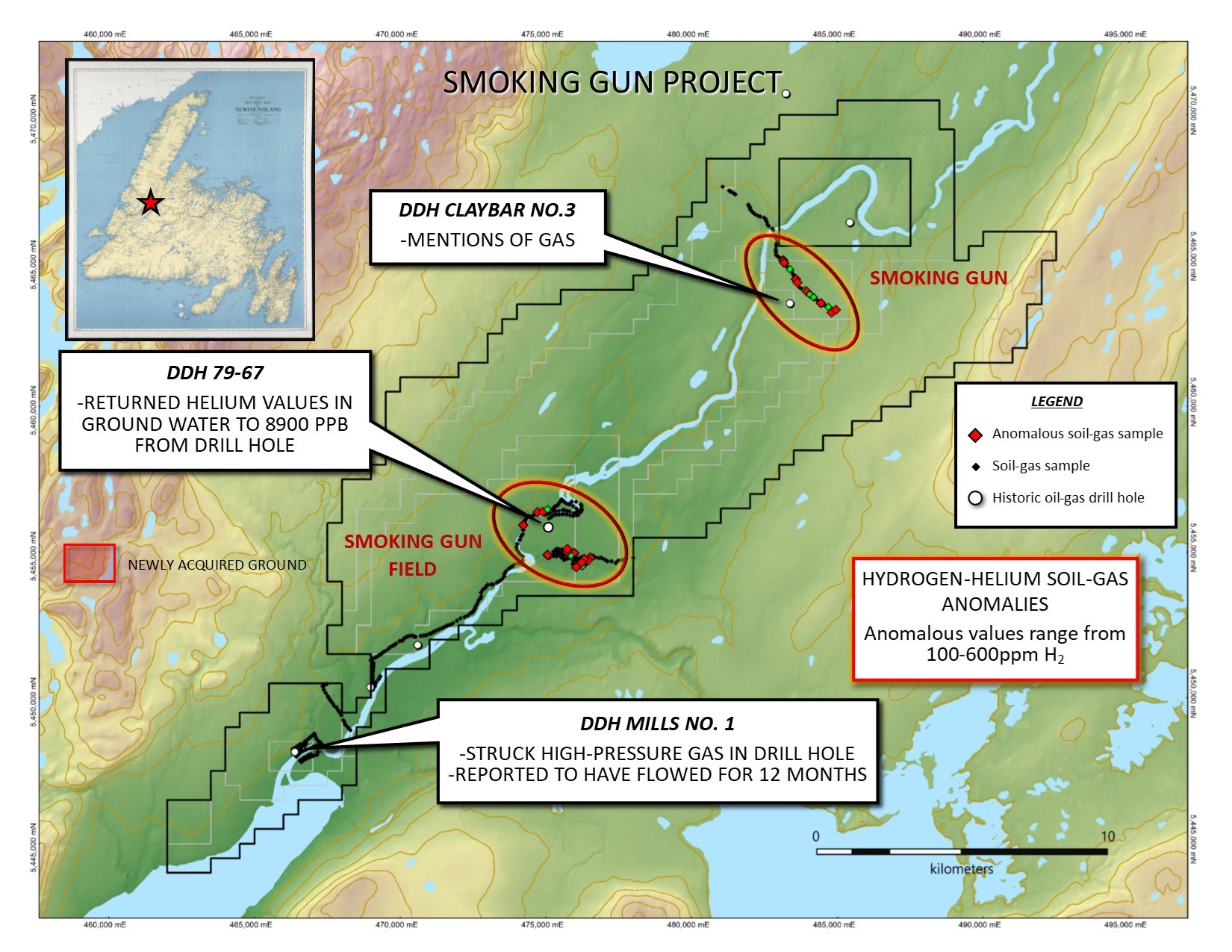
Figure 1: Smoking Gun Project Location Map
To view an enhanced version of this graphic, please visit:
https://images.newsfilecorp.com/files/3657/313604_e689b9cfc480c85d_002full.jpg
Parson’s Pond Property
The Parson’s Pond Property, also located in Western Newfoundland, covers a large portion of a prospective large sedimentary basin (Parson’s Pond Basin) (see Figure 2). This area is underlain by thrust faulted rocks of the Humber Arm Supergroup. Drill logs indicate sedimentary units composed of shales along with sandstones, containing fragments of glauconite. The presence of the mineral glauconite, which, combined with these geological indicators and the presence of oxygen poor fluids or ground water, suggests a highly prospective environment for the generation of white hydrogen (natural hydrogen) within the basin. As in the case of the Deer Lake Basin, mudstones and shales are also present within the Parson’s Pond basin and are essential for the entrapement of both hydrogen and helium. Gas in several historical drill logs located 14.2 km apart reported significant gas hits which noted C1 methane gas levels reaching 72%. The presence of such high concentrations of methane alongside hydrogen indicators suggests a potentially prospective active gas system within the basin. In addition, surface areas have been noted to vent gas within the project boundaries, further indicating that Parson’s Pond is a part of an active gas system. With gas being reported in two historic holes 14.2 km apart, suggests a potential expansive system prospective for the formation of gas potentially including hydrogen.
(Ref. NALCOR ENERGY – OIL AND GAS INC FINAL WELL REPORT For Nalcor Energy et al SEAMUS #1 https://www.gov.nl.ca/em/files/publications-energy-nalcorseamusfwr.pdf and NALCOR ENERGY – OIL AND GAS INC FINAL WELL REPORT For Nalcor Energy et al Finnegan #1 https://www.gov.nl.ca/em/files/FinniganFWR.pdf).
Soil Gas Results for Parson’s Pond
Results from the recently completed soil gas program has identified two significant hydrogen soil gas anomalies within the central portion of the Parson’s Pond property (see Figure 2). Highly anomalous hydrogen values have been returned with values up to 900 ppm, which is considered highly significant.
Highlights:
- Two hydrogen soil gas anomalies with values up to 900ppm hydrogen. Max Power Mining Corp.’s (“Max”) Rider Project returned highly anomalous soil values up to 914ppm hydrogen (see Max news release dated November 24, 2024). With results exceeding 900ppm, this current program illustrates a potentially active migration of hydrogen from underlying source rock, which is actively generating and moving gas.
- Two highly anomalous hydrogen anomalies from inaugural program with large portions of project yet to be evaluated.
- Parsons Pond area revealed a higher overall concentration of hydrogen compared to the Smoking Gun, but with lower helium concentrations overall.
- Sampling in the Parson’s Pond Lake area was challenging due to wet and shallow bedrock conditions, with only 20 samples able to be collected. A significant percentage of those samples contained anomalous hydrogen concentrations. This is significant because of historical notes in the region reporting gas emanating from the subsurface. It was noted that on the island in the lake, gases were “bubbling” from the subsurface. No gas analysis was conducted at the time, but the Rudiger Re-Chem soil gas survey highlighted a location on the island with hydrogen above 400ppm in the soils.
- Sampling at Parson’s Pond Central area certain groupings of hydrogen anomalies that appear to follow fault lines and different subsurface trends. The Central area also had the highest concentrations of hydrogen out of the 4 areas of interest discussed. Hydrogen concentrations exceeded 600ppm in several locations with the highest up to 900ppm.
- Several hydrogen sample clusters point to a historic well (Finnigan) which encountered high pressure gas.
- Hydrogen concentrations above 150ppm at Parson’s Pond are interpreted to be significant with values up to 900ppm being achieved.
- Parson’s Basin Provides Highly Favorable geological environment conducive for the generation and entrapment of gas.
Management is highly encouraged with these initial results from both projects, with values up to 900pmm hydrogen. Even though these highly encouraging results are early stage, the near surface results potentially indicate a direct pathway to a deeper source. This same model was performed by Max Power Mining Corp., returning soil gas results up to 914ppm at surface. These results also ultimately proved that hydrogen was also being produced within Max Power’s projects. Historic holes on Max Power’s projects also had historic holes producing unexplained gas shows that, ultimately led them to refine their model and successfully intercept hydrogen and helium in other locations. Parson’s Pond and Smoking Gun also have unexplained gas shows that are in close proximity to these highly prospective soil gas anomalies. It is especially encouraging that one of these historic holes produced gas for in excess of 12 months (Mills No. 1) within the Deer Lake Basin. These highly promising soils appear to demonstrate that both the Deer Lake and Parson’s Pond Basins are productive for hydrogen and Smoking Gun is also illustrating its potential for helium.
Large portions of both projects remain unsampled. Further exploration may be required to clarify if some of these anomalous sources are connected, for example, the Parson’s Pond lake anomaly may be joined by a regional fault. There is potential to proceed to the North and South of Parson’s Pond area to further define potential soil gas sources. Further passive sampling for soil gas in these areas may be required to further expand and delineate these potential zones within areas of swamp and bog.
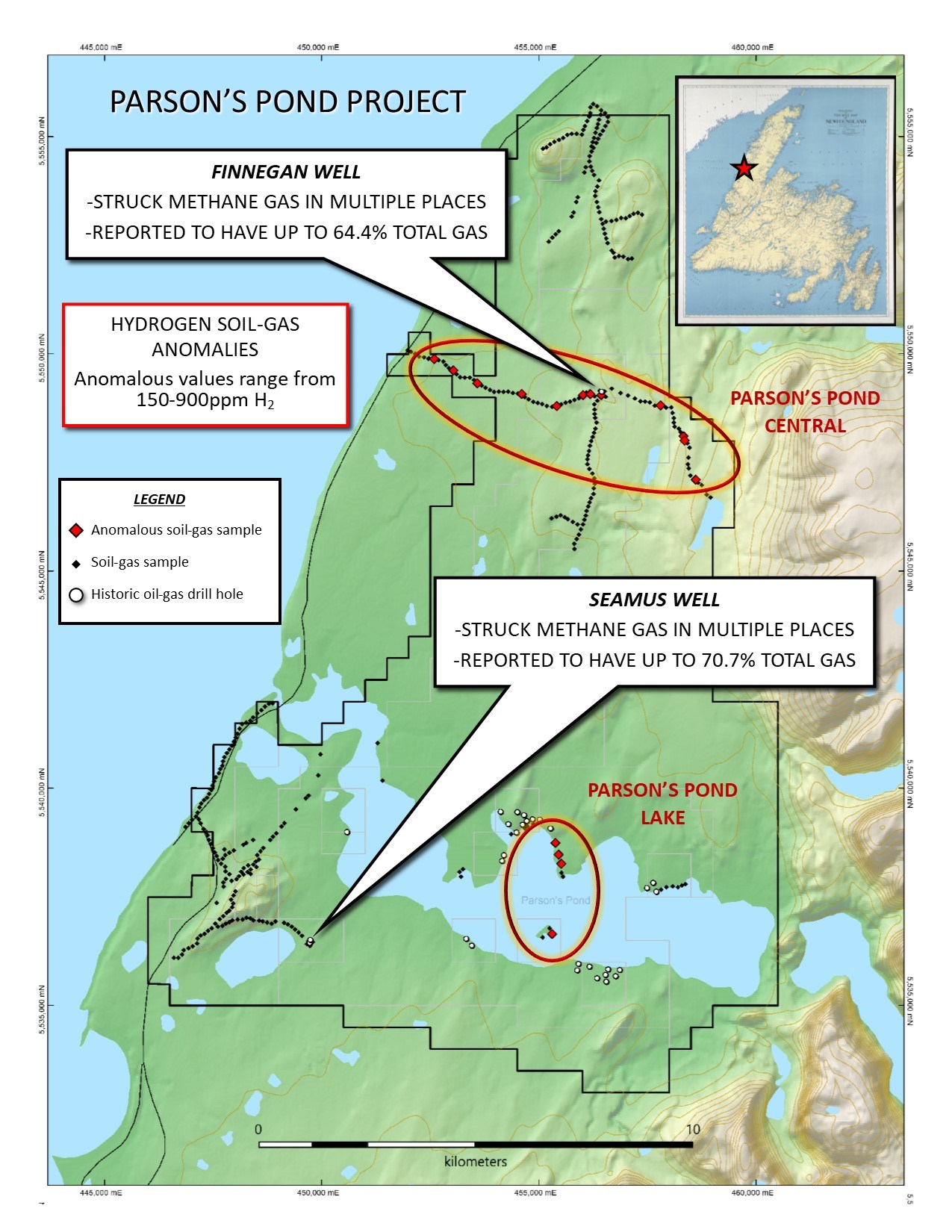
Figure 2: Parson’s Pond Project Location Map
To view an enhanced version of this graphic, please visit:
https://images.newsfilecorp.com/files/3657/313604_e689b9cfc480c85d_003full.jpg
Survey Parameters
The geochemical survey program begins with the preparation of sample vials and replacing the septa in the probes. The vials are evacuated to an absolute pressure of 20 pascals so that a sample extracted by a syringe is not contaminated with residual ambient air. A cordless rotary drill is used to drive a hollow probe of stainless steel to an average depth of about 1 meter to avoid barometric pumping which can affect gas concentrations in soil. Once the probe is purged of ambient air, a 30cc sample is extracted and injected through the septum of a 12cc vial. Other operations at the sampling site are the recording of coordinates by GPS and recording of sample numbers on the box cover. To avoid hydrogen artefacts in analysis, Rudiger Re-Chem utilizes a proprietary probe as well as detailed field notes for soil-gas surveys. The samples are shipped to Rudiger Re-Chem’s lab in Saskatoon for analysis by a state-of the art Gas Chromatographs.
Hydrogen and Helium Demand
Hydrogen and helium have seen a significant increase in demand, with more expected in the future. Hydrogen is used as a fuel and a chemical building block, it helps create fertilizer for food, refines the gasoline in your car, and is increasingly being used to power clean trucks and ships as well as fuel for rocket propulsion for the launching of satellites. Helium is the world’s ultimate cooler; its super-cold properties are essential for keeping MRI machines running and making the computer chips found in your phone and laptop. AI-driven chip manufacturing is the primary growth engine for helium. Helium keeps our most advanced technology and medical equipment functioning.
In the neighboring province of Nova Scotia, companies such as Quebec Innovative Metals Corp are having success in the search for natural hydrogen. This success has generated further exploration in similar geological environments to that of the projects mentioned above.
Please note that the presence of gas or methane on these staked projects or gas discovered on adjacent properties does not guarantee the presence of hydrogen or helium. Further studies are required to validate their presence.
About Benton Resources Inc.
Benton Resources is a well-financed mineral exploration company listed on the TSX Venture Exchange under the symbol BEX. Benton is currently planning a spinout to shareholders of its high grade Great Burnt copper gold project, has a diversified, highly prospective property portfolio and holds large equity positions in other mining companies that are advancing high-quality assets. Whenever possible, BEX retains net smelter return (NSR) royalties with potential long-term cash flow.
Benton will focused its efforts on advancing its Dominion Copper – Zinc – Gold project, Victoria West/South Gold Projects, Stoney Caldera Copper – Gold Project and its various Hydrogen – Hellium projects on the west coast of Newfoundland.
On behalf of the Board of Directors of Benton Resources Inc.,
“Stephen Stares”
Stephen Stares, President
Parties interested in seeking more information about properties available for option can contact Mr. Stares at the number below.
For further information, please contact:
Stephen Stares, President & CEO
Phone: 807-474-9020
Email: sstares@bentonresources.ca
Nick Konkin, Investor Relations
Phone: 647-249-9298 ext. 322
Email: nick@grovecorp.ca
Website: www.bentonresources.ca
Twitter: @BentonResources
Facebook: @BentonResourcesBEX
THE TSX VENTURE EXCHANGE HAS NOT REVIEWED AND DOES NOT ACCEPT RESPONSIBILITY FOR THE ADEQUACY OR ACCURACY OF THIS RELEASE.
The information contained herein contains “forward-looking statements” within the meaning of applicable securities legislation. Forward-looking statements relate to information that is based on assumptions of management, forecasts of future results, and estimates of amounts not yet determinable. Any statements that express predictions, expectations, beliefs, plans, projections, objectives, assumptions or future events or performance are not statements of historical fact and may be “forward-looking statements.”
Forward-looking statements are subject to a variety of risks and uncertainties which could cause actual events or results to differ from those reflected in the forward-looking statements, including, without limitation: risks related to failure to obtain adequate financing on a timely basis and on acceptable terms; risks related to the outcome of legal proceedings; political and regulatory risks associated with mining and exploration; risks related to the maintenance of stock exchange listings; risks related to environmental regulation and liability; the potential for delays in exploration or development activities or the completion of feasibility studies; the uncertainty of profitability; risks and uncertainties relating to the interpretation of drill results, the geology, grade and continuity of mineral deposits; risks related to the inherent uncertainty of production and cost estimates and the potential for unexpected costs and expenses; results of prefeasibility and feasibility studies, and the possibility that future exploration, development or mining results will not be consistent with the Company’s expectations; risks related to gold price and other commodity price fluctuations; and other risks and uncertainties related to the Company’s prospects, properties and business detailed elsewhere in the Company’s disclosure record. Should one or more of these risks and uncertainties materialize, or should underlying assumptions prove incorrect, actual results may vary materially from those described in forward-looking statements. Investors are cautioned against attributing undue certainty to forward-looking statements. These forward-looking statements are made as of the date hereof and the Company does not assume any obligation to update or revise them to reflect new events or circumstances. Actual events or results could differ materially from the Company’s expectations or projections.